
Planning Applications
Securing planning approval is one of the most important steps in any home renovation and often the most daunting.
We guide you through the entire process with clear, honest advice and fully prepared drawings, ensuring your project meets local requirements while staying true to your vision.
Accurate Drawings, Stress-Free Applications
We translate complex planning rules into simple, transparent steps. From assessing what’s possible to preparing drawings and managing submissions, we make the planning process smooth, predictable and aligned with your project goals.
What Is A Planning Application?
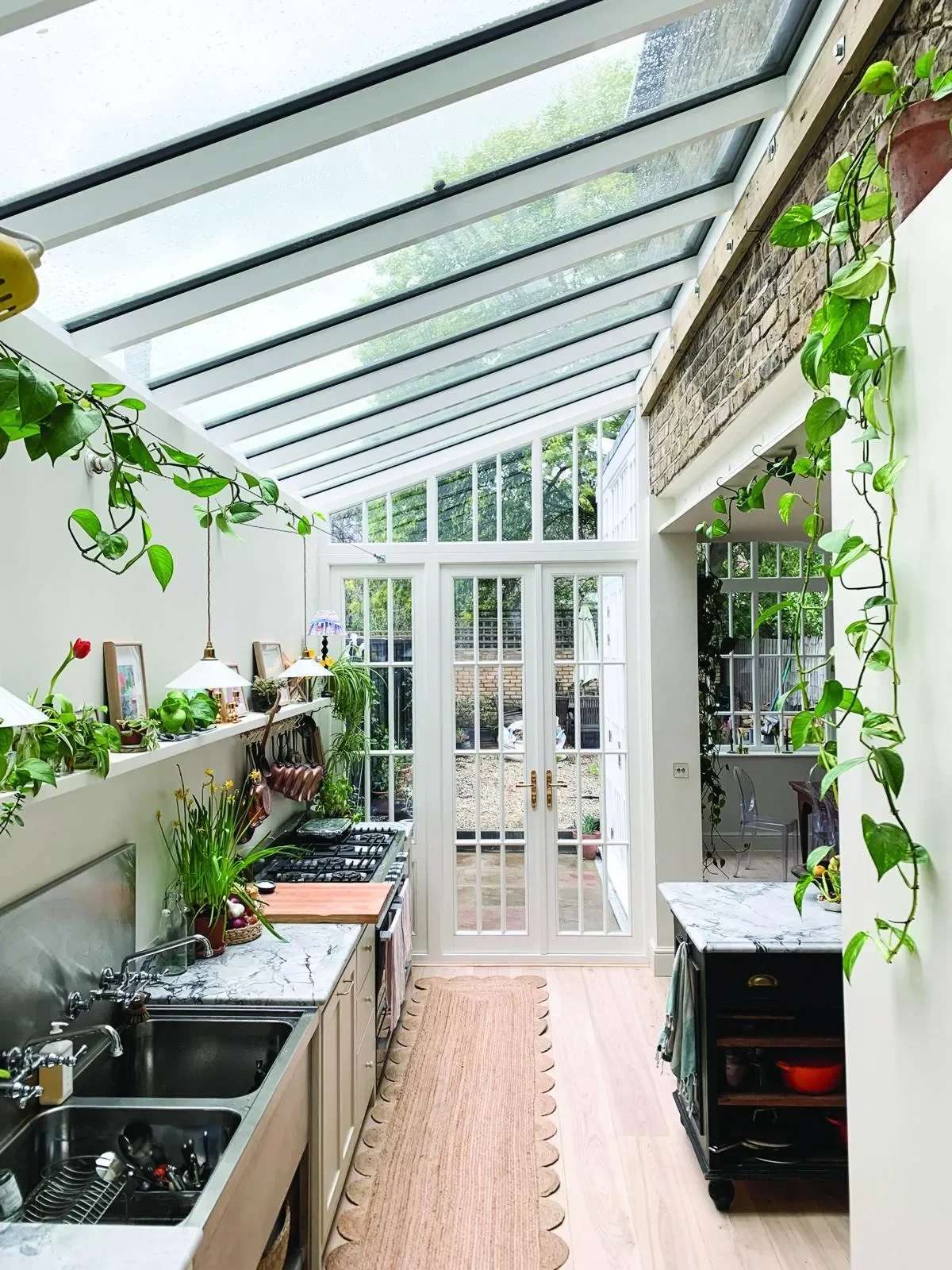
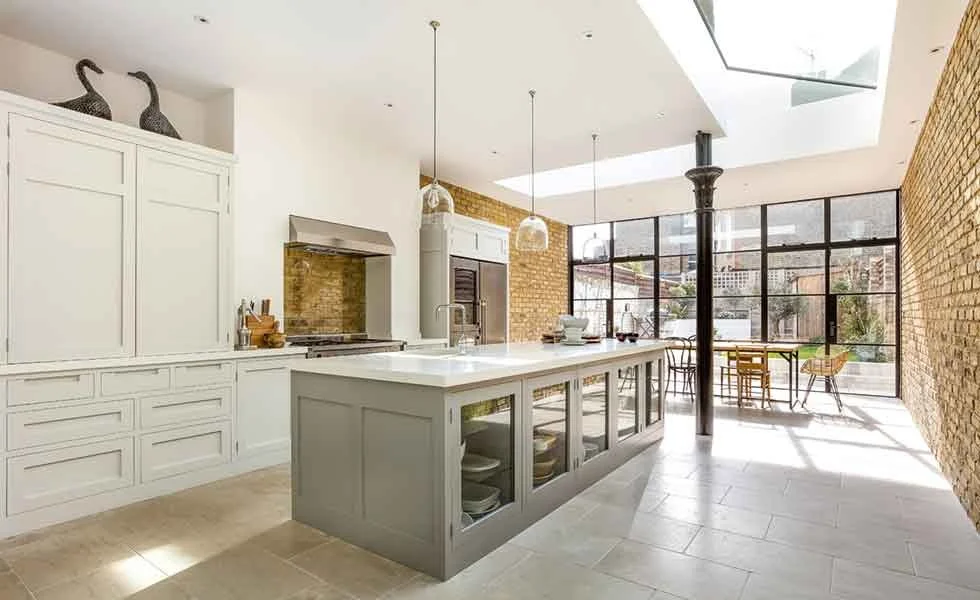
A planning application is a formal request for your local council to approve changes to your property — including extensions, loft conversions, alterations and major refurbishments. It ensures your project complies with national and local planning policies, neighbour considerations and design standards.
Before any work begins, we assess your property and advise whether it falls under Permitted Development Rights or requires Full Planning Permission, giving you clarity from the very start.
Permitted Development vs Planning Permission
-
Permitted Development
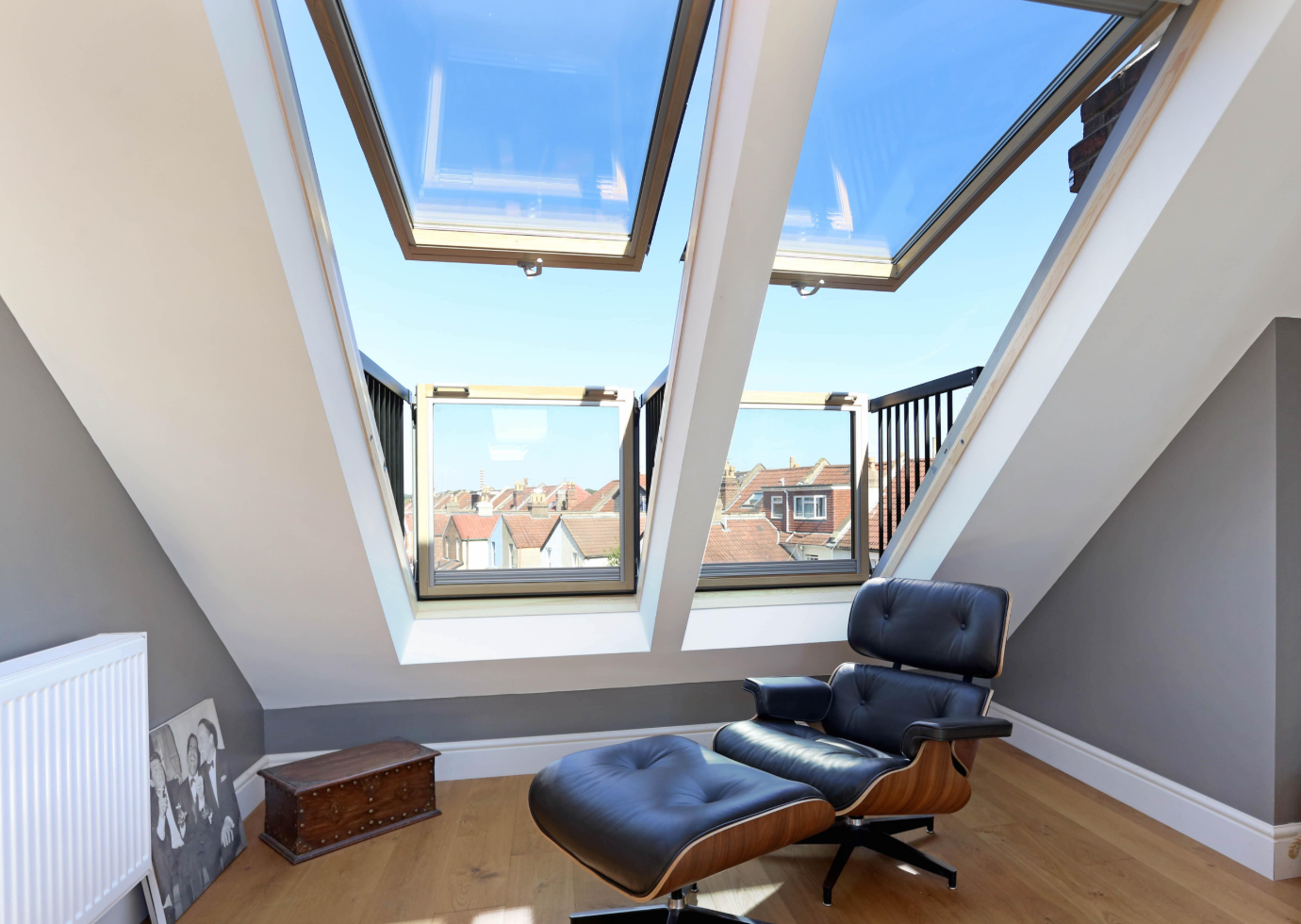
Permitted Development allows certain home improvements to be carried out without full planning permission, provided specific limits and conditions are met. Projects that often qualify include loft conversions within volume limits, rear or side extensions within size constraints, garage conversions, outbuildings and porches.
However, Permitted development rights don’t apply to all properties, especially those in conservation areas, listed buildings, flats or homes affected by Article 4 Directions. Even when PD applies, we recommend applying for a Lawful Development Certificate for peace of mind and future resale.
-
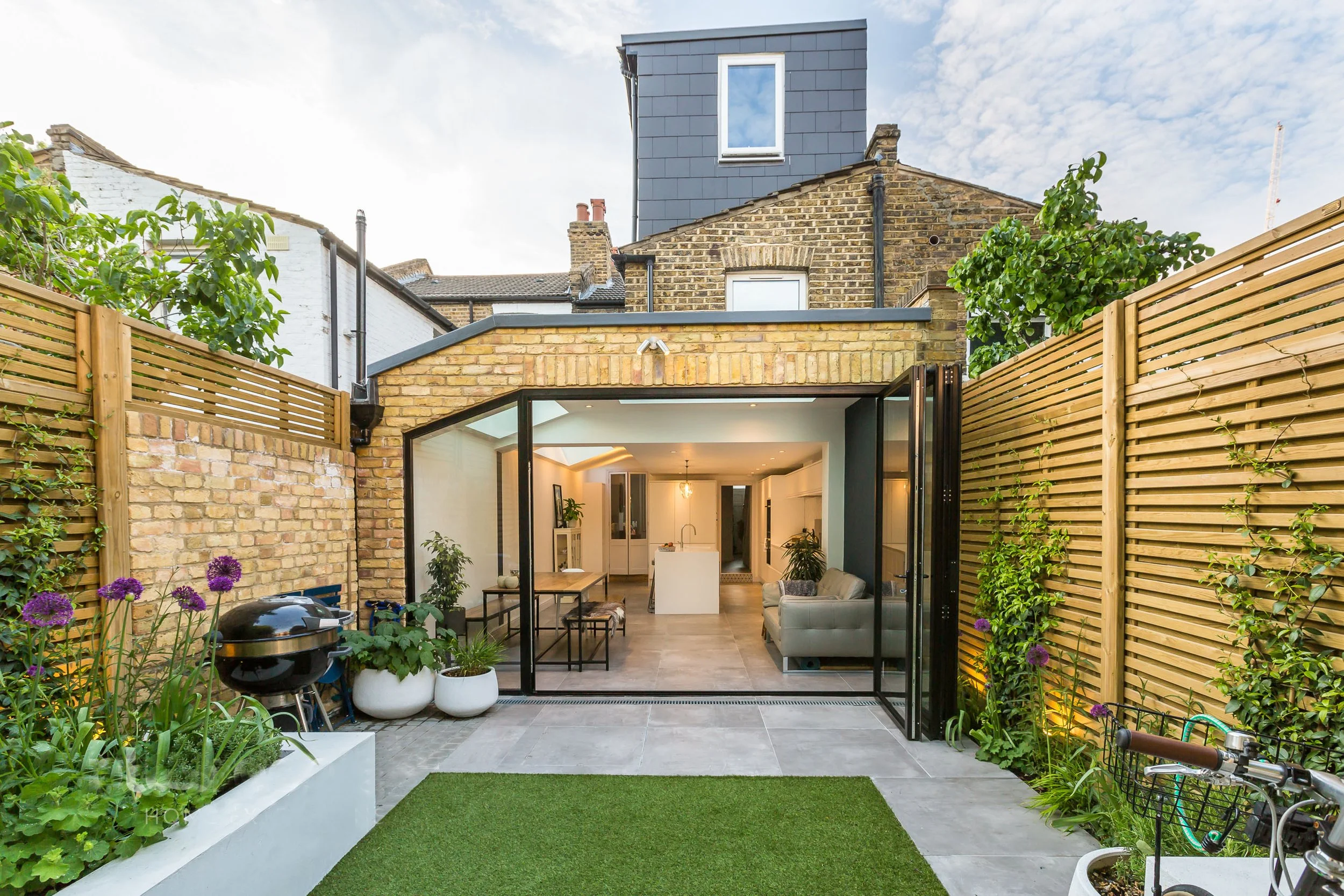
Planning Permission
If your project falls outside PD limits, alters the appearance of the building or adds significant structural elements, a full planning application is required. This applies to larger extensions, two-storey works, mansard loft conversions, changes of use and developments on protected land.
Decisions are typically issued within 8–10 weeks, and we guide you through any conditions that follow approval.
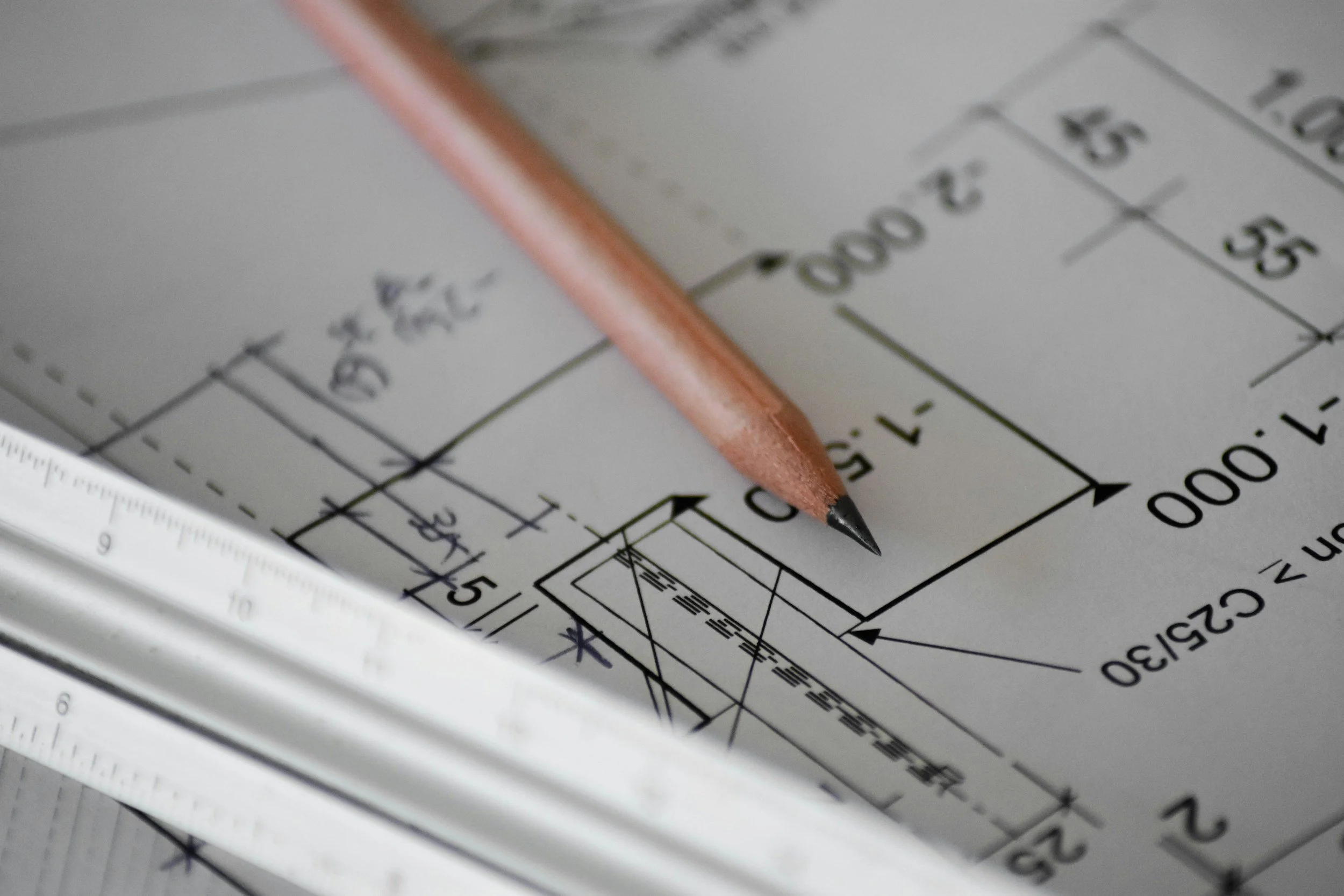
What We Handle For You
We manage every aspect of your planning submission, ensuring it’s professionally prepared and compliant.
This includes:
Measured surveys
Architectural drawings and site plans
Planning forms and documentation
Design & Access Statements (if required)
Planning statements
Fire Safety Statements
Flood Risk Assessments
Community Infrastructure Levy (CIL) forms
Liaison with planning officers
Responding to queries and amendments
You get a complete, coordinated submission with no guesswork.
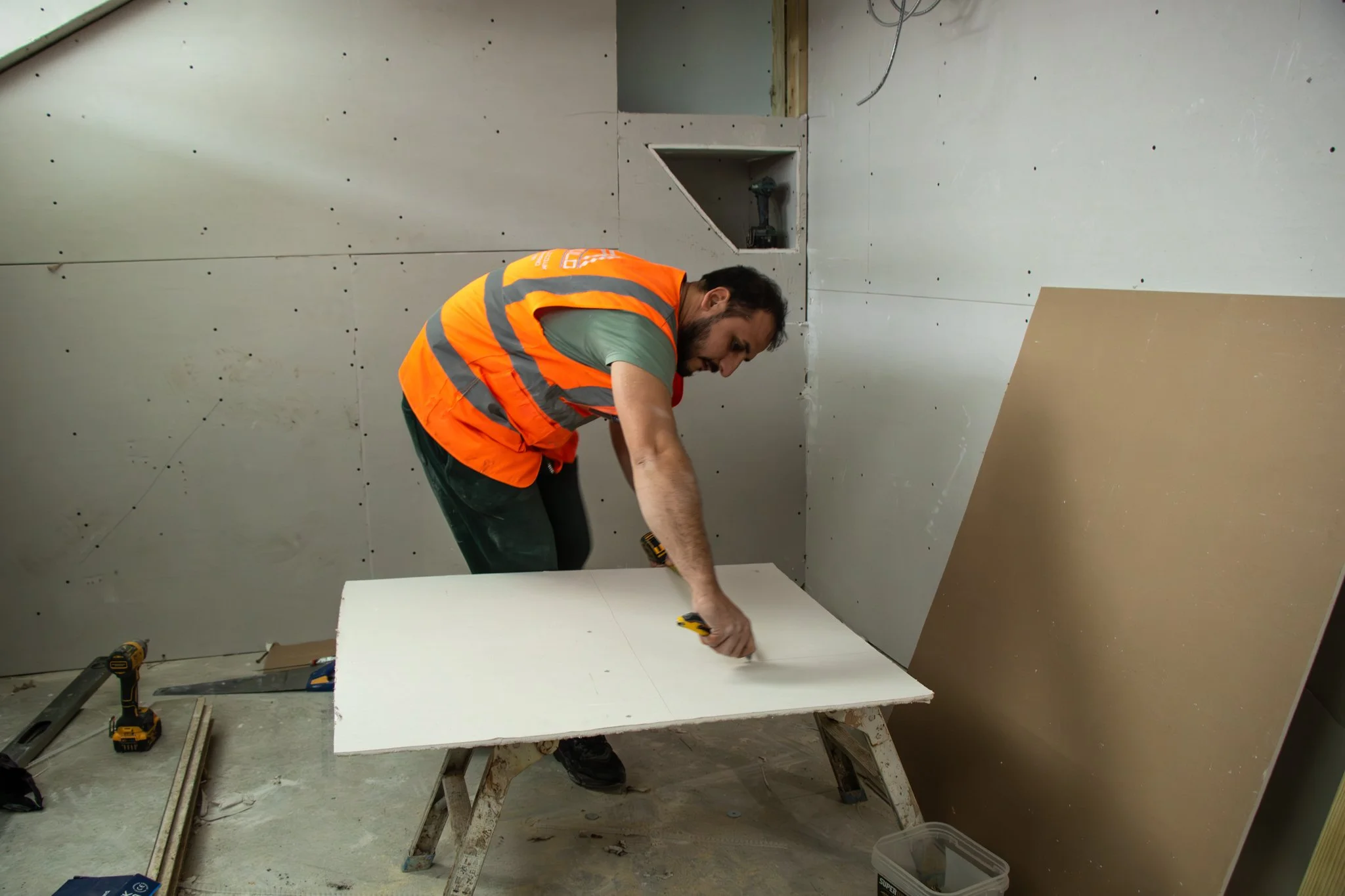
Planning Permission vs Building Regulations
Planning permission and Building Regulations are separate requirements. Even when planning approval isn’t needed, your project must still meet Building Regulations covering structural safety, fire protection, insulation, ventilation, drainage and overall build quality.
We work closely with structural engineers and approved inspectors to prepare all required drawings and calculations, ensuring your project is safe, compliant and ready for construction.
Our Architectural & Build Process
-
![]()
1. Consultation
We start with a relaxed conversation to understand your goals, budget, and how you want to live in your home.
-
![]()
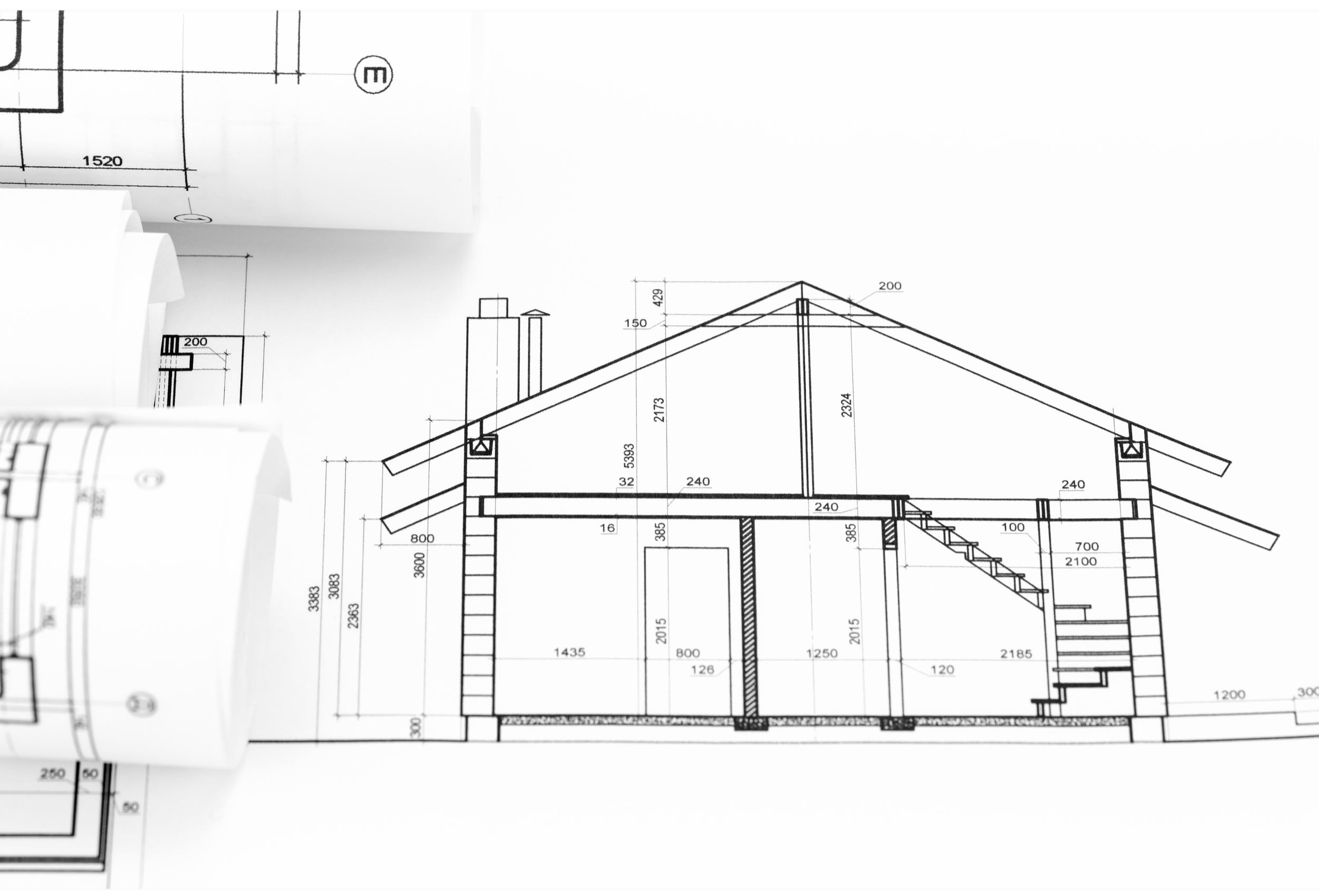
2. Site Survey & Existing Drawings
Accurate measurements and existing plans ensure every decision is informed and technically sound.
-
![]()
3. Design & Proposed Plans
We explore layouts, ideas, and design options, refining everything with you before finalising drawings.
-
4. Planning & Approvals
If required, we manage planning applications and liaise with your local authority
-
![]()
5. Building Regulations & Technical Drawings
We prepare the detailed drawings needed to ensure your project is safe, compliant, and ready to build.
-
![]()
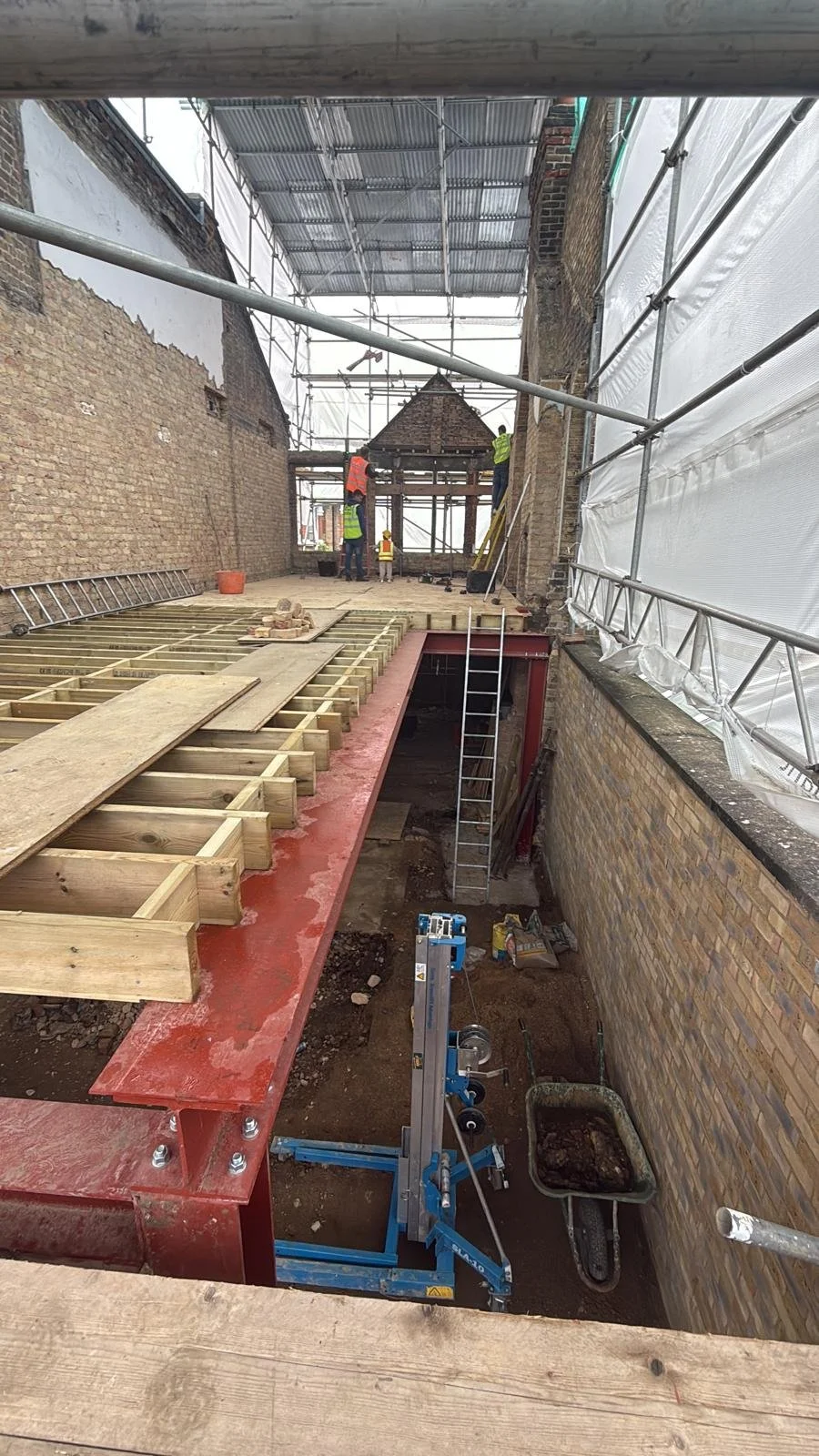
6. Construction
Your plans are brought to life with care, clear communication, and attention to detail throughout.
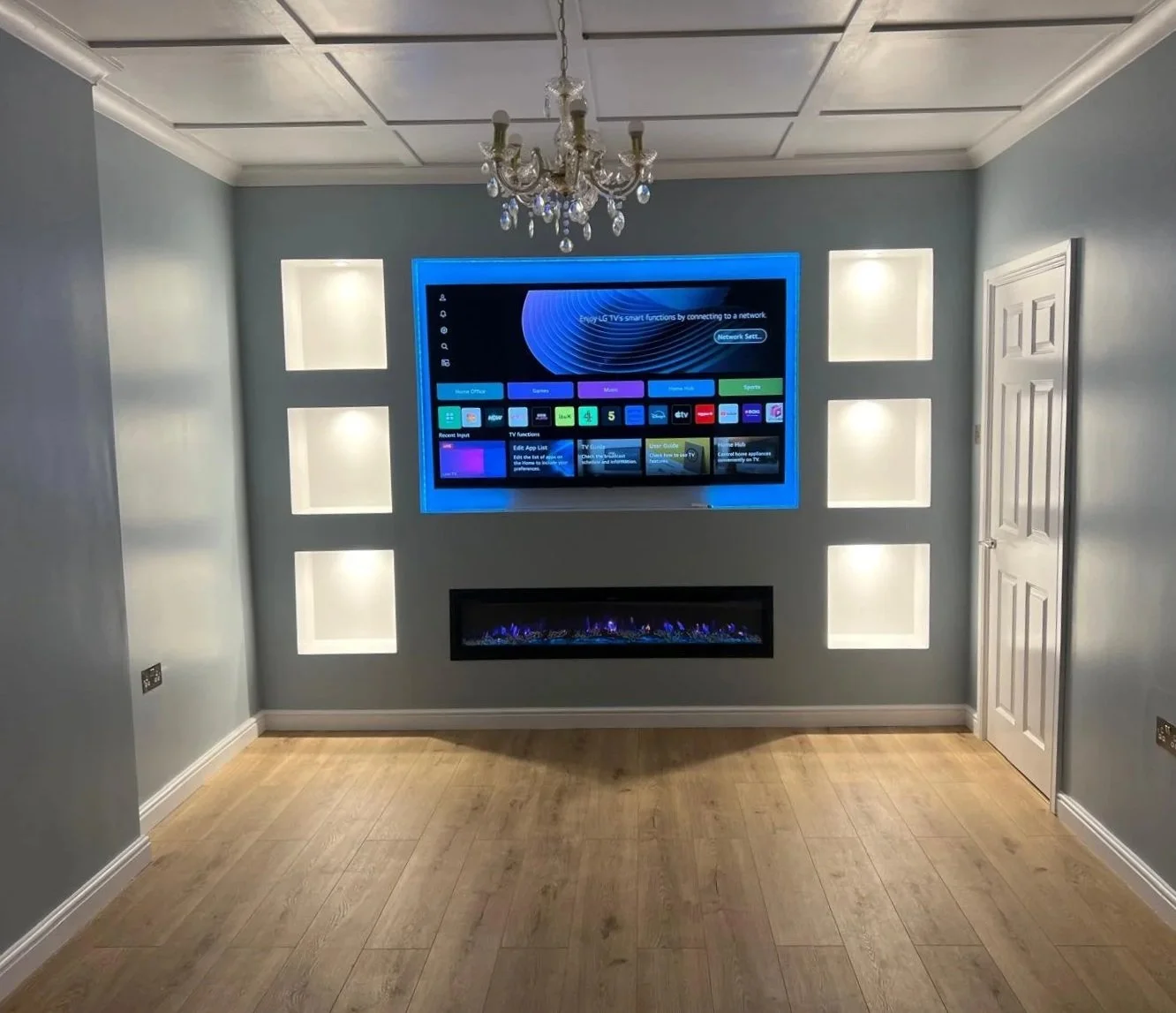


Are We the Right Fit for Your Renovation?
We work best with homeowners who want a thoughtful, well-managed renovation. Do you value clear communication, quality design, and a personal, family-run approach that puts you and your ideas and the centre of every decision?
If you're looking for a complete home transformation and want a team who listens closely and guides you through every stage with transparency, we’re a great fit.
FAQ’s
-
No, there’s really quite a bit you can get done without planning permission!
You can add significant sq footage to your property before needing to apply for planning permission.We can help you quickly understand whether what you have in mind might need permission, or if there are any conservation area rules or ownership covenants you need consider.
-
This one is hard to answer as it really depends on your project and what council you are in.
That said, as a general guide in London you can expect it to take around 8 weeks for minor /household applications, and up to 13 to 16 weeks for more complex developments. -
If planning permission is refused in the UK, the local planning authority will issue a decision notice with reasons. You can then amend and resubmit plans for free within 12 months, appeal to the Planning Inspectorate (usually within 6 months), or do both. Appeals can take several months to decide, often 22 to 71 weeks depending on the method.
-
Yes, in most cases, you need both planning permission and building regulations approval for significant building work, but they are separate processes with different purposes.
Planning permission governs the appearance and impact on the area, while building regulations ensure the safety, structural integrity, and energy efficiency of the construction
-
A Lawful Development Certificate (LDC) is not legally required, but it is highly recommended to prove that building work or a change of use is legal, especially when selling a property.
While permitted development rights allow certain works without full planning permission, an LDC provides official, documented evidence to avoid future disputes or enforcement action.